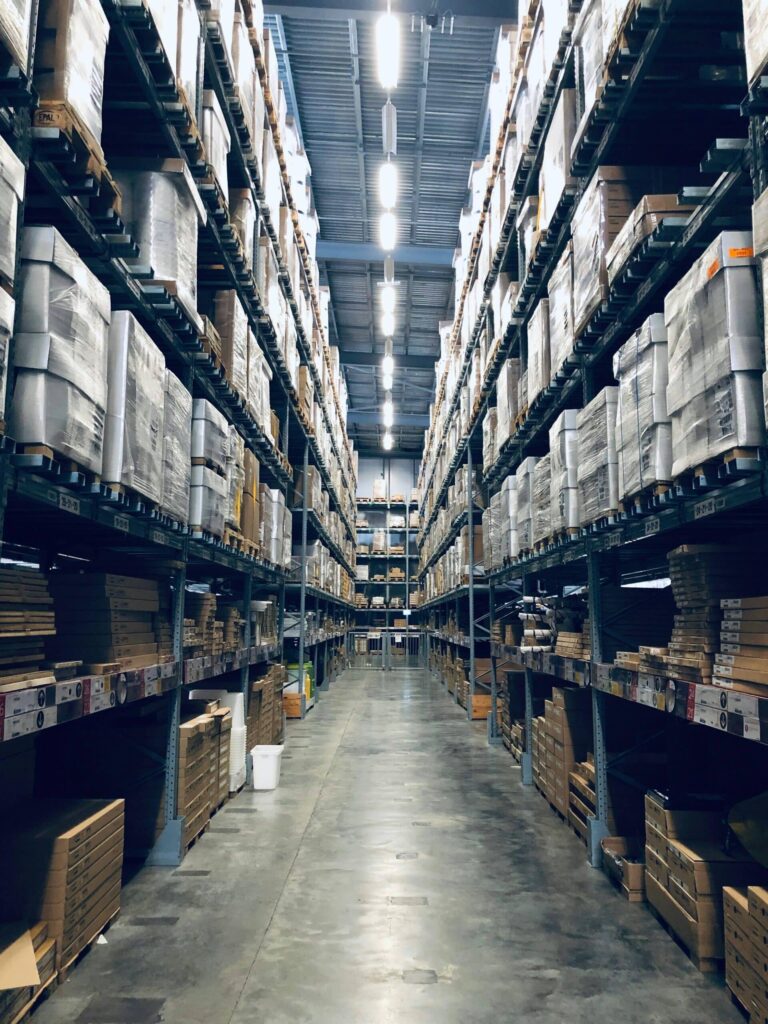
One of the biggest obstacles to warehouse productivity is unplanned and unaccounted-for downtime. These stagnant periods, when added up over weeks and months, lead to delays, reduced customer satisfaction, and lost revenue. According to research from international accounting and consulting firm Deloitte, downtime costs industrial manufacturers an estimated $50 billion annually.
While managers often look toward new software or assembly line equipment to streamline operations or recapture lost time, the use of high-quality heavy lifting equipment solutions is an overlooked strategy. Better moving solutions can significantly minimize downtime, reduce safety risks, and improve workflow for your warehouse.
Here are five actionable strategies warehouse managers can implement to optimize their heavy lifting productivity.
1. Standardize Your Fleet of Equipment
A common productivity killer in industrial facilities is a fragmented fleet of moving equipment. Operating a mismatched collection of dollies, toe jacks, and skates from various manufacturers forces workers to switch mental gears each time they encounter a new piece of equipment. Standardizing your heavy transport equipment under a single, unified system provides immediate productivity advantages:
- Minimize Repair Confusion: With a unified system, you’ll benefit from having a single point of contact for moving equipment maintenance, repairs, and troubleshooting, eliminating delays caused by incompatible parts or inconsistent servicing processes.
- Interoperable Components: Standardized attachment points, handle configurations, and roller types eliminate delays caused by incompatible parts during a high-stakes move.
- Simplified Operator Cross-Training: When every industrial jack and rotating machine skate utilizes identical mechanical logic, operator onboarding is accelerated, and safety compliance errors drop significantly.
Choosing a trusted supplier for your industrial jacks, rotating machine skates, or other heavy lifting equipment not only saves you time and money—it helps to prevent accidents and prolong the lifespan of your machinery.
2. Are you Investing in Proper Equipment?
Selecting the right moving equipment is critical for ensuring smooth warehouse operations and reducing downtime. Factors such as size, shape, weight limits, load distribution, and floor surfaces must be carefully evaluated. Before you buy, ensure you are investing in equipment that helps your business increase productivity, streamline operations, and reduce operational risks.
For example, the correct rotating machine skate or industrial jack can mean the difference between a smooth move and a failed one.
- Dollies designed for 90-degree turns and straight paths might suffice for certain tasks.
- Omnidirectional dollies offer greater flexibility for lateral, diagonal, or 360-degree movement, ideal for warehouses with complex layouts.
Not sure what equipment is right for you? Contact the GKS Team
3. Implement Comprehensive Equipment Training
Onboarding and proper training is a cornerstone of productivity in manufacturing. A team that is trained on equipment operation from the get-go will make fewer mistakes, waste less time, and ultimately stay safe.
So what’s the best way to train new team members?
- To build a highly efficient workforce, warehouse managers should treat their moving equipment supplier as an active technical resource. Conduct on-site, hands-on demonstrations using your facility’s specific load profiles. When operators understand the precise physics of load handling, transition points, and steering mechanics, execution times drop, and moving operations become routine and seamless.
4. Develop a Proactive Maintenance Schedule
Understanding the maintenance requirements of your specific equipment paired with a proactive maintenance schedule helps reduce the risk of accidents and breakdowns while extending the lifespan of your equipment.
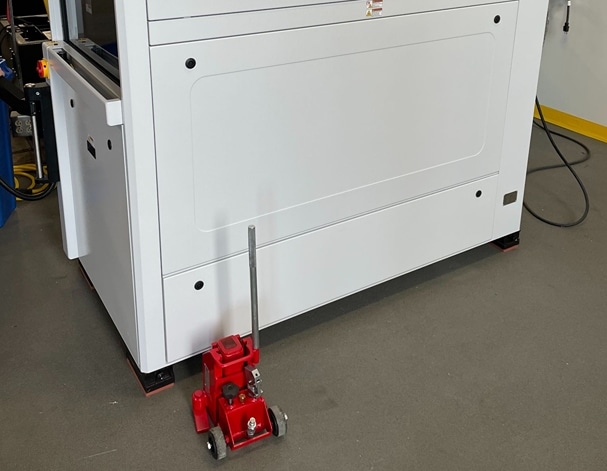
With heavy-duty hydraulic toe jacks for example, implement this three-tiered Standard Operating Procedure (SOP):
Daily Pre-Shift Inspection
- Conduct visual scans for structural wear, weld fractures, and external damage.
- Inspect cylinder rams and seals for hydraulic oil leaks.
- Verify fluid levels and clear structural debris from the roller paths.
Monthly Maintenance Window
- Lubricate all mechanical moving parts per manufacturer specifications.
- Clean air vents and hydraulic relief valves to prevent dust buildup.
- Inspect and tighten all high-stress bolts, fittings, and linkage pins.
Annual Certification Cycle
- Perform a complete hydraulic oil flush and change using manufacturer-recommended fluid.
- Conduct a full component-wear tear-down and structural integrity verification.
- Execute a certified load-capacity test to ensure the unit performs safely at maximum rated tonnage.
Implement SOPs for maintenance of all equipment as appropriate.
5. Optimize Workflow and Project Management
Efficient project management ensures every part of your operation works together as one well-oiled machine during each minute of production. Are your crews wasting time searching for matching rigging accessories? Is heavy machinery sitting idle because a forklift lacks the clearance to navigate a tight corner?
Use the following three steps to conduct an optimization audit.
- Begin workflow optimization by evaluating your current processes and identifying inefficiencies or gaps in resource allocation.
- Make necessary adjustments to production schedules, reorganize to improve warehouse accessibility, and integrate the right moving equipment to streamline your operations.
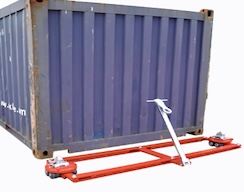
- Incorporate equipment like a rotating machine skate or battery operated machine skates to further enhance workflow, ensuring that your team can navigate tight turns or safely move large, heavy industrial objects like CNC machines.
Partner With GKS For Superior Heavy Lifting Solutions
When it comes to heavy lifting, GKS Moving & Lifting Solutions stands out as a trusted partner. Whether you’re ready to invest in industrial machine skates with superior maneuverability or need expert help determining which equipment is best for your operations, GKS can help you make the right choice. Our U.S.-based customer service team partners with you to understand your needs and select equipment that aligns with your goals. You can trust GKS for quality and durability — every GKS product is backed by an extensive warranty and undergoes rigorous testing to ensure that it will perform exactly as designed.
Contact GKS today to discuss your heavy lifting equipment needs and take the first step toward a more productive and efficient warehouse.